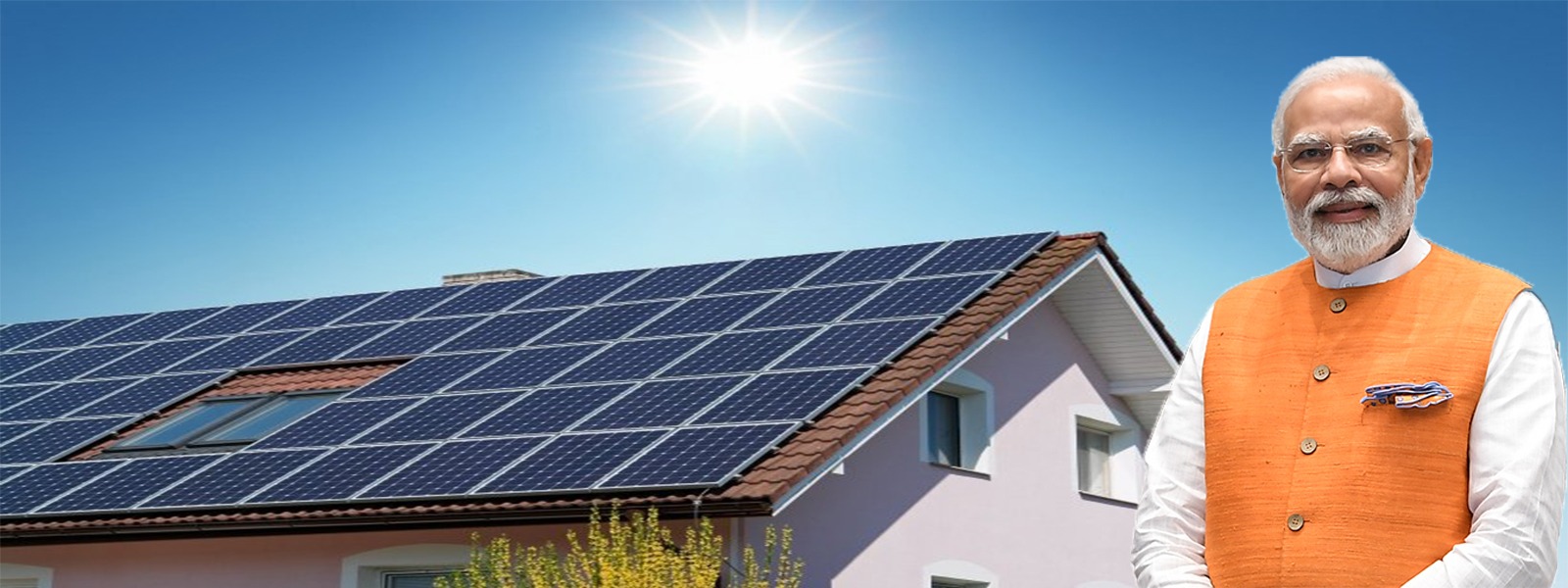
Solar panels in Los Angeles benefit from a climate that is generally favorable for solar energy production, but understanding performance expectations requires considering several factors unique to the region. Los Angeles experiences abundant sunshine throughout the year, with an average of more than 280 sunny days annually. This high solar irradiance means that photovoltaic (PV) systems can generate substantial electricity compared to many other locations in the United States. However, while the overall climate supports efficient solar panel operation, there are important considerations related to temperature, air quality, and seasonal variations that influence system performance.
One key factor affecting solar panel efficiency in Los Angeles is temperature. AWS Solar panels operate most efficiently at moderate temperatures around 77°F (25°C). When temperatures rise significantly above this level, as they often do during summer months in Southern California where daytime highs frequently exceed 85°F (29°C), panel efficiency tends to decrease slightly due to increased resistance within the cells. Despite this decline, modern PV modules are designed with materials and technologies that minimize heat-related losses. The net effect is still positive because the intense sunlight compensates for some of these thermal inefficiencies.
Solar Panels Los Angeles
Air quality also plays a role in determining how well solar panels perform in Los Angeles. The city has struggled with smog and particulate pollution historically; however, improvements over recent decades have reduced these issues considerably. Even so, on days when air pollution or dust levels rise sharply, sunlight reaching the panels may be partially blocked or scattered. This reduction can lower energy output temporarily but does not cause permanent damage or significant long-term degradation if regular maintenance such as cleaning is performed.
Seasonal changes affect solar power generation by altering both daylight hours and sun angle throughout the year. In winter months when days are shorter and sunlight arrives at a lower angle relative to horizontal surfaces, total energy production decreases compared to summer peaks. Nonetheless, because winters tend to be mild and mostly clear rather than cloudy or rainy as seen in other regions of the country, even off-peak periods maintain reasonable output levels.
Overall system design tailored for local conditions enhances performance expectations for solar installations in Los Angeles. Proper orientation facing southward with an optimal tilt angle close to latitude ensures maximum exposure throughout different seasons while minimizing shading from surrounding structures or foliage further improves reliability and yield.
In summary, residents investing in solar technology within Los Angeles can expect robust electricity generation driven by consistent sunshine despite minor temperature-induced efficiency drops or occasional air quality impacts. With appropriate installation practices combined with routine upkeep like cleaning debris off panels periodically users will find their systems deliver dependable renewable energy contributing meaningfully toward reducing utility costs and environmental footprint over time.
AWS Solar
11750 Roscoe Blvd Ste 7, Sun Valley, CA 91352
818-484-3264