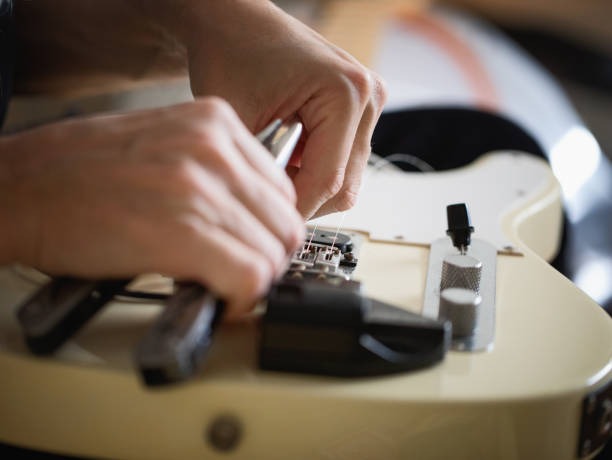
Learning to set up a guitar correctly is an invaluable skill for any guitarist, whether you are a beginner or an experienced player. Proper guitar setup ensures optimal playability, enhances tone quality, and extends the instrument’s lifespan. Mastering essential skills in guitar setup not only saves money on professional repairs but also deepens your understanding of how your instrument works. Several key areas must be addressed to achieve a well-adjusted guitar.
First and foremost, understanding the anatomy of the guitar is crucial. Familiarity with parts such as the neck, frets, nut, bridge, saddle, tuning machines, and truss rod allows you to identify potential issues accurately. This foundational knowledge helps in diagnosing problems like fret buzz or high action effectively.
One of the primary skills to develop is adjusting the truss rod. The truss rod controls the curvature or relief of the neck and plays a vital role in maintaining proper string height and preventing fret buzz. Learning how to measure neck relief using a capo and feeler gauges enables precise adjustments that tailor the neck’s bow to individual playing style and string gauge preferences.
Setting string action-the distance between strings and frets-is another critical skill. High action can make playing difficult while low action may cause unwanted buzzing sounds when notes are played vigorously. Using tools like ruler gauges or specialized action gauges helps achieve balanced string height at both the nut end near the headstock and at the bridge saddle.
Nut slot adjustment requires careful attention as well since it influences tuning stability and ease of playability on open strings. Filing nut slots correctly ensures that strings sit at appropriate heights without binding during tuning or bending.
Intonation adjustment is equally important for ensuring that notes sound accurate across all positions on the fretboard. This involves fine-tuning saddle positions so each note remains in tune when fretted higher up along each string’s length.
Additionally, learning how to clean and lubricate components such as tuning pegs improves smooth operation during tuning changes while preventing premature wear from dirt buildup.
Developing patience throughout this process cannot be overstated; small incremental changes often produce better results than aggressive adjustments which might worsen problems temporarily before correcting them later.
In conclusion, acquiring essential skills like identifying parts of your online guitar setup course properly adjusting truss rods for ideal neck relief setting correct string action filing nut slots carefully adjusting intonation regularly cleaning hardware will empower you with confidence in maintaining your instrument optimally over time-ultimately enhancing both performance satisfaction and musical expression through your guitar playing journey.