Comprehensive air conditioning maintenance and repair are essential for ensuring the longevity, efficiency, and reliability of cooling systems in both residential and commercial settings. Regular maintenance helps prevent unexpected breakdowns, reduces energy consumption, and maintains indoor air quality. A thorough approach to air conditioning care involves several key practices that address various components of the system.
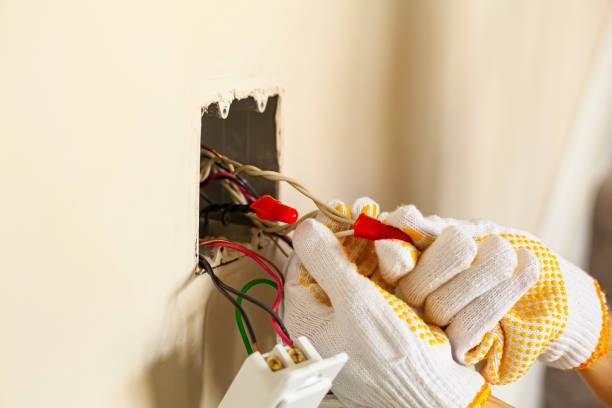
Routine inspection is a fundamental part of comprehensive maintenance. This includes checking refrigerant levels to ensure they are within optimal ranges since low refrigerant can cause the system to work harder, leading to increased wear and higher utility bills. Technicians also examine electrical connections for signs of corrosion or loose wiring that could pose safety risks or reduce performance. Cleaning or replacing filters is another critical task because clogged filters restrict airflow, strain the compressor, and degrade overall efficiency.
In addition to these basic checks, attention must be given to the condenser coils located outside the building. These coils often accumulate dirt and debris which impair heat exchange processes necessary for effective cooling. Proper cleaning restores coil function, allowing the system to operate smoothly without overheating. The evaporator coils inside should also be inspected periodically for mold growth or ice buildup that can hinder cooling capacity.
Lubrication of dive into it moving parts such as motors and fans prevents friction-related damage while maintaining quiet operation. Drain lines require flushing as well since blockages can lead to water leaks or damage surrounding structures due to moisture accumulation.
When repairs become necessary, addressing issues promptly is crucial in avoiding more extensive damage or costly replacements later on. Common problems include refrigerant leaks which not only reduce cooling effectiveness but also harm the environment if left uncontained. Repair professionals use specialized tools to detect leaks accurately before recharging systems with appropriate refrigerants following environmental regulations.
Other frequent repairs involve fixing faulty thermostats that disrupt temperature control or replacing worn-out belts and bearings responsible for fan movement within units. Compressor failures represent one of the most serious concerns; however, routine upkeep significantly lowers this risk by preventing overheating caused by poor ventilation or electrical faults.
Professional service providers typically offer comprehensive plans combining preventive maintenance with emergency repair options tailored specifically for each customer’s needs and equipment type. These services extend equipment lifespan while optimizing energy use through expert adjustments calibrated according to manufacturer specifications.
Investing in regular comprehensive air conditioning maintenance not only ensures comfort during hot weather but also safeguards financial resources by minimizing unexpected expenses related to major malfunctions or premature unit replacement costs over time.