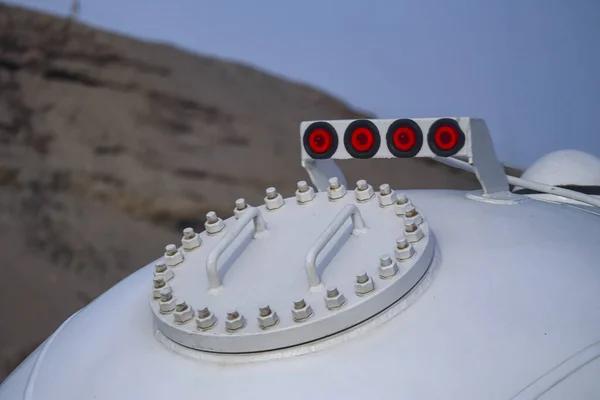
Septic tank inspections are essential for maintaining a healthy and functional wastewater system in homes that rely on septic systems. During these inspections, several common problems frequently emerge, which can lead to costly repairs if not addressed promptly. One of the most typical issues found is sludge and scum buildup inside the tank. Over time, solid waste accumulates at the bottom while grease and oils float to the top, reducing the tank’s effective capacity and potentially causing blockages or backups.
Another frequent problem involves leaks or cracks in the septic tank itself. These structural damages can allow untreated sewage to seep into surrounding soil or groundwater, posing serious environmental hazards and health risks. Cracks may develop due to age, shifting soil conditions, or improper installation. Detecting such damage early during schedule an inspection helps prevent contamination and expensive remediation efforts.
Septic tank inspection
Clogged inlet or outlet pipes are also commonly identified during septic inspections. These pipes control wastewater flow into and out of the tank; when blocked by debris or roots invading from nearby vegetation, they disrupt normal system function. A clogged outlet pipe can cause sewage to back up into a home’s plumbing fixtures while a blocked inlet pipe prevents proper drainage from entering the tank.
The drain field connected to many septic systems often presents its own set of challenges revealed through inspection procedures. Drain fields rely on permeable soil layers to absorb treated water from the septic tank; however, excessive moisture caused by poor drainage around this area may saturate it beyond capacity leading to failure symptoms such as pooling water on surface grounds or foul odors near property lines.
Improper maintenance practices frequently contribute to issues discovered during inspections as well. Many homeowners neglect regular pumping schedules necessary for removing accumulated solids before they overflow into drain fields causing clogs that reduce absorption efficiency significantly over time.
Root intrusion represents another widespread concern where tree roots penetrate pipes searching for moisture resulting in fractures or blockages within underground components of the system.
Additionally, inspectors might find signs of unauthorized connections like sump pumps discharging stormwater directly into septic tanks instead of separate drainage systems; this excess volume overloads tanks designed only for household wastewater volumes causing premature wear down.
Identifying these common problems early through thorough septic tank inspections allows property owners to take corrective actions timely thereby extending system lifespan while safeguarding public health and local ecosystems effectively against contamination risks posed by malfunctioning onsite wastewater treatment units.
Gray Septic Solutions
Savannah, GA 31405
912-661-4089