Data centers serve as the backbone of modern digital infrastructure, housing vast arrays of servers and networking equipment that power everything from cloud computing to online services. These facilities generate significant amounts of heat due to the continuous operation of high-density electronic components. Managing this heat is critical, making robust HVAC (Heating, Ventilation, and Air Conditioning) systems an essential element in data center design and operation. Without effective cooling solutions, data centers risk overheating, which can lead to hardware failures, reduced performance, and costly downtime.
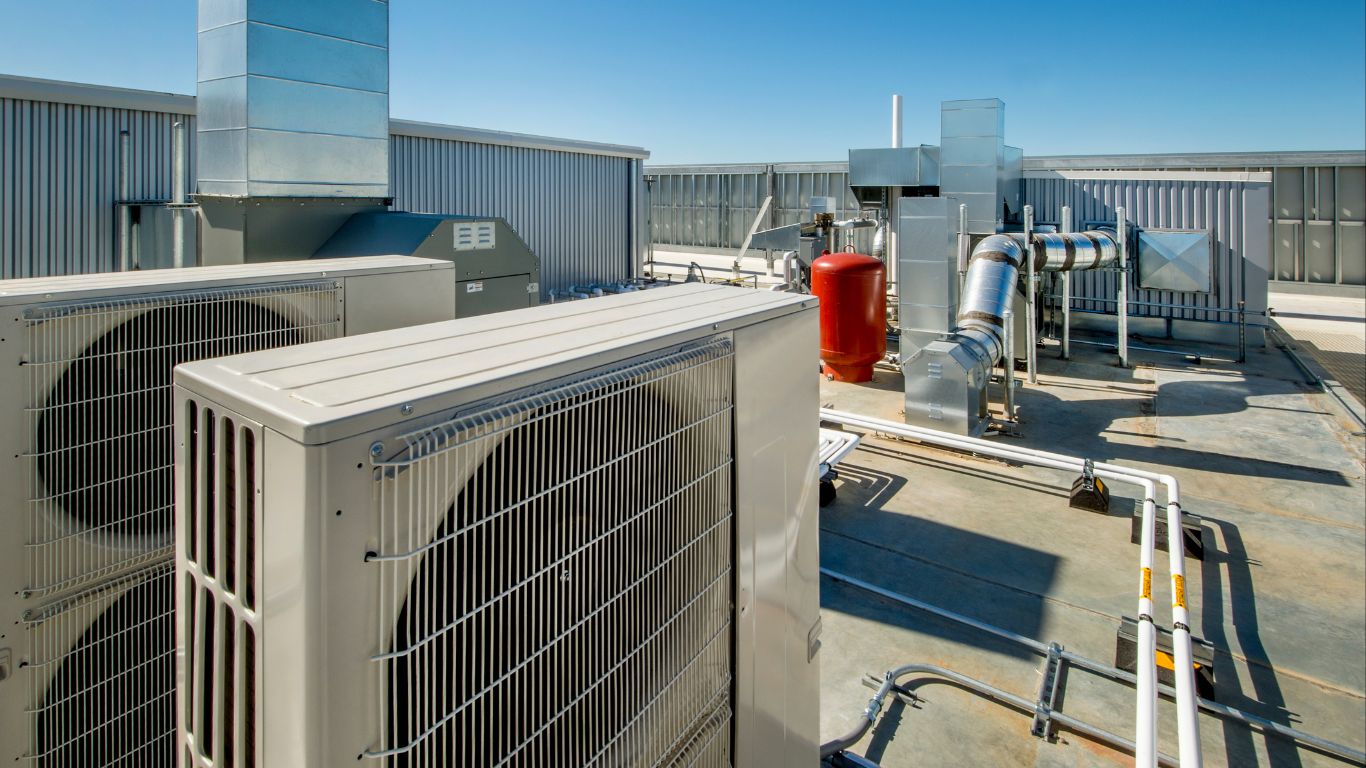
The primary function of HVAC systems in data centers is to maintain optimal temperature and humidity levels. Excessive heat can degrade server components quickly while insufficient humidity control may cause static electricity buildup or condensation issues. A well-engineered HVAC infrastructure ensures that air circulation is efficient throughout the facility, preventing hotspots where temperatures could rise above safe thresholds. This involves precise airflow management techniques such as hot aisle/cold aisle containment strategies that separate warm exhaust air from cool intake air to maximize cooling efficiency.
Energy consumption is another crucial consideration when designing HVAC systems for data centers. Cooling typically accounts for a significant portion of a data center’s total energy use, sometimes exceeding 40%. Therefore, implementing energy-efficient HVAC click here technologies not only reduces operational costs but also supports environmental sustainability goals by lowering carbon footprints. Innovations like free cooling-using outside air when conditions permit-and advanced chillers with variable-speed compressors contribute to more sustainable operations without compromising reliability.
Reliability itself is paramount since any failure in the cooling system can have immediate consequences on equipment health and service availability. Redundant HVAC units are often installed alongside sophisticated monitoring tools that track temperature fluctuations in real time across multiple zones within the facility. These measures enable rapid response to potential issues before they escalate into critical problems affecting uptime or causing physical damage.
In addition to temperature regulation and energy efficiency, modern data center HVAC infrastructures must adapt to evolving technological demands such as higher rack densities and liquid cooling integration. As server technology advances toward greater compactness and computational power per unit area increases significantly, traditional air-cooling methods face limitations requiring supplementary or alternative approaches.
Overall, investing in a robust HVAC infrastructure is indispensable for maintaining operational stability in data centers while optimizing energy usage and supporting future scalability needs. The complex interplay between thermal management challenges and technological progress makes it clear that effective heating, ventilation, and air conditioning solutions remain fundamental pillars underpinning reliable digital ecosystems worldwide.