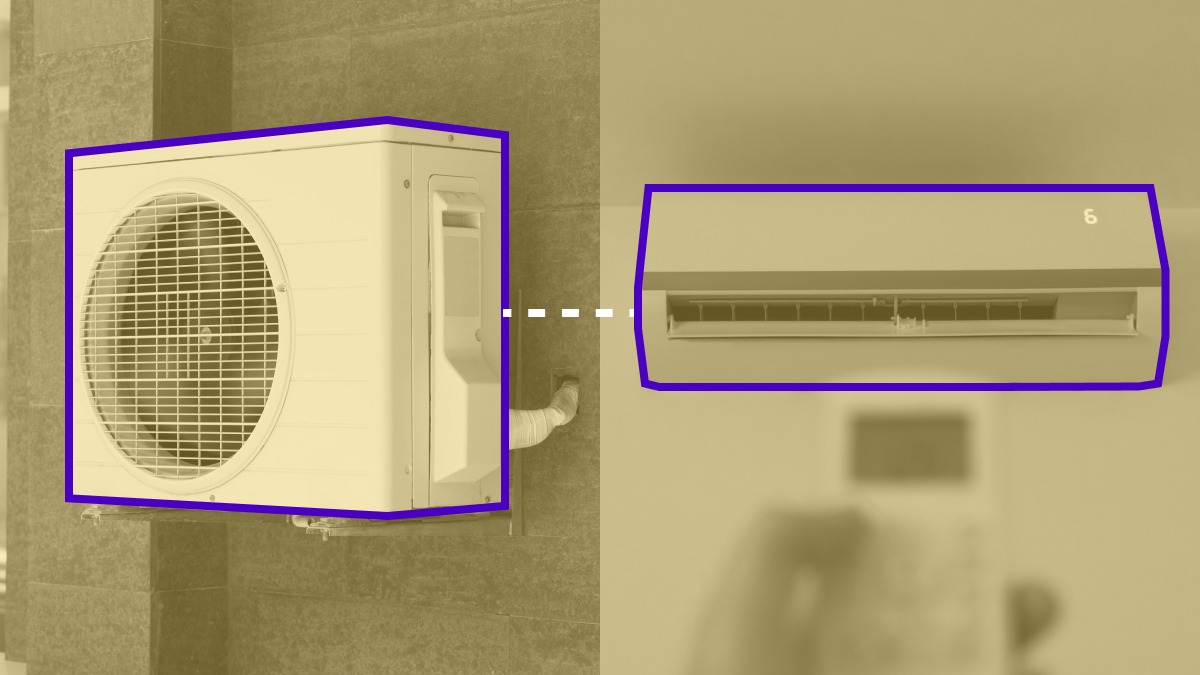
Mini split air conditioners, also known as ductless heat pumps, have gained popularity for their energy efficiency and flexibility in both cooling and heating. However, many people wonder if these systems are effective in cold climates during winter. The short answer is yes; modern mini splits can work efficiently even when temperatures drop significantly below freezing. Advances in technology have made it possible for many units to provide reliable heating performance in harsh winter conditions.
Traditional air conditioners primarily cool indoor spaces by transferring heat from inside to outside. Mini splits operate on a similar principle but include a reversing valve that allows the system to switch modes and act as a heat pump during colder months. This means they extract heat from outdoor air-even when it’s cold-and transfer it indoors to warm the space. While this may seem counterintuitive, because outdoor temperatures can be extremely low, mini split systems are designed with components like variable-speed compressors and enhanced refrigerants that allow them to maintain efficiency at low temperatures.
One key factor affecting performance is the specific model of the mini split unit. Some models are rated for operation down to-5°F or even lower, making them suitable for very cold regions. These “cold climate” mini splits often feature advanced defrost cycles that prevent ice buildup on the outdoor coil, ensuring continuous operation without loss of heating capacity. Without such features, standard models might struggle or shut down during extreme cold spells due to frost accumulation.
Energy efficiency is another important consideration when using mini splits in winter. Compared with traditional electric resistance heaters or baseboard heaters, high-quality ductless heat pumps consume less electricity while providing comparable warmth. This results in lower utility bills and reduced environmental impact over time. Additionally, since mini splits do not rely on combustion processes like furnaces or boilers, they offer safer indoor air quality without emissions.
Installation quality also influences how well these systems perform in cold weather conditions. Proper sizing according to home square footage and insulation levels ensures adequate heating output without excessive cycling or strain on equipment parts. Professional installation helps optimize placement of indoor units for uniform temperature distribution throughout living areas.
In summary, modern mini split ac systems equipped with appropriate technology can effectively provide heating during winter months even in very cold climates. Their ability to extract ambient heat from frigid outdoor air makes them an efficient alternative to conventional heating methods while offering year-round comfort through both cooling and warming capabilities. Potential buyers should select units specifically designed for low-temperature operation and ensure expert installation for best results throughout chilly seasons ahead.