Spring is an ideal time to focus on HVAC maintenance to ensure long-lasting performance and efficiency throughout the warmer months. As temperatures rise, your heating system transitions out of frequent use while your air conditioning begins to take over. Proper care during this seasonal shift can prevent unexpected breakdowns, improve energy efficiency, and extend the lifespan of your equipment.
One essential aspect of spring HVAC maintenance is inspecting and replacing air filters. Dirty or clogged filters restrict airflow, forcing your system to work harder and consume more energy. Regularly changing filters not only improves indoor air quality but also helps maintain optimal airflow, reducing strain on components like the blower motor. It is recommended to check filters monthly during peak usage periods and replace them as needed.
Cleaning the outdoor condenser unit is another critical task for spring upkeep. Over winter, debris such as leaves, dirt, and grass clippings can accumulate around or inside the unit, hindering its ability to dissipate heat effectively. Carefully removing debris with a garden hose or soft brush ensures proper airflow through the coils and prevents overheating. Additionally, trimming back any vegetation hvac near me the unit creates adequate clearance for efficient operation.
Checking refrigerant levels should be part of routine maintenance as well since low refrigerant can lead to poor cooling performance and increased energy consumption. If you notice that your home isn’t cooling evenly or if humidity remains high despite running the AC continuously, it may indicate a leak or insufficient refrigerant charge that requires professional attention.
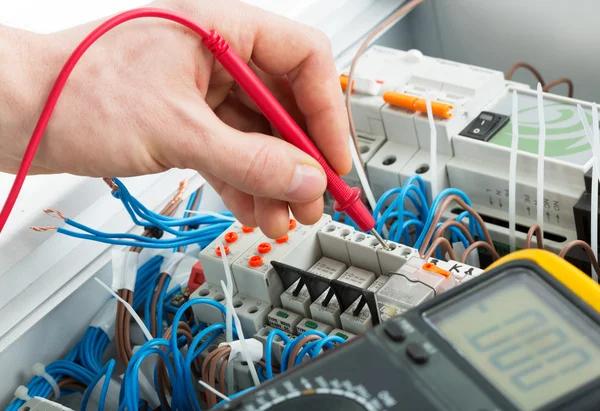
Inspecting electrical connections provides another layer of protection against potential issues in spring maintenance routines. Loose wiring or corroded terminals can cause intermittent failures or even pose safety hazards. A qualified technician will examine these components during annual service visits to ensure everything operates safely within manufacturer specifications.
Lubricating moving parts like motors and fans reduces friction-related wear that could shorten equipment life span over time. Although newer systems often feature sealed bearings requiring less lubrication than older models do, checking these elements annually remains beneficial for smooth operation.
Thermostat calibration also deserves attention when preparing for summer use; inaccurate temperature readings may result in inefficient cycling between heating and cooling modes leading up to full AC engagement in warmer weather.
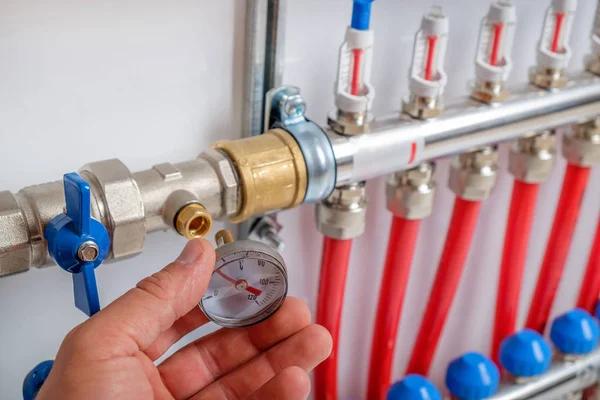
Finally, scheduling a comprehensive professional inspection before heavy usage starts guarantees that minor problems are addressed early before escalating into costly repairs later in the season. Technicians perform thorough diagnostics including testing system pressures, measuring voltage amperage draw on motors, verifying drain line function from condensate pans preventing water damage risks indoors.
Douglas Mechanical, Inc.
18820 Carrot St, Spring, TX 77379
281-299-0949