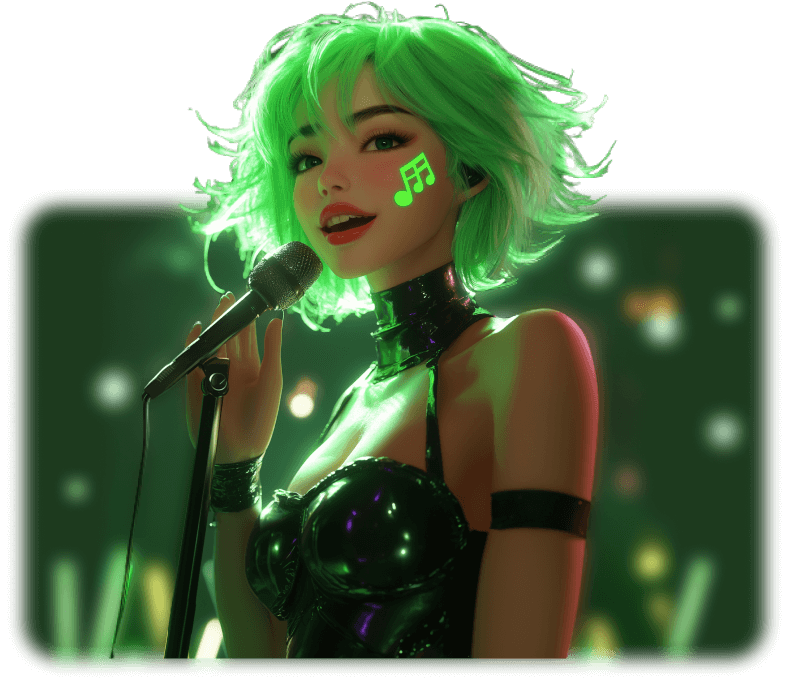
In 2026, the integration of artificial intelligence into music creation has transformed the way artists, producers, and enthusiasts approach composition and production. AI music makers have become indispensable tools that offer a myriad of benefits, making the creative process more accessible, efficient, and innovative. One of the foremost advantages is the democratization of music production. Previously, creating high-quality music required extensive knowledge of instruments, theory, and software. However, AI-driven platforms now allow users with little or no musical background to generate compelling melodies and harmonies effortlessly. This inclusivity broadens artistic expression across diverse communities worldwide.
Another significant benefit lies in productivity enhancement. AI music makers can analyze vast datasets to generate ideas rapidly or complete compositions in a fraction of the time it would take manually. Musicians facing tight deadlines can leverage these tools to produce drafts or entire tracks quickly while maintaining high quality. Additionally, AI algorithms continuously learn from user preferences and feedback to tailor suggestions that align closely with an artist’s unique style or genre requirements. This personalized assistance reduces trial-and-error phases during songwriting or arranging.
Creativity receives a substantial boost through AI collaboration as well. By offering unexpected chord progressions, rhythms, or sound textures based on pattern recognition beyond human intuition, these systems inspire new directions for musical exploration. Artists often find themselves breaking habitual patterns when interacting with AI-generated content-leading to fresh sounds that might not have emerged otherwise.
Moreover, cost efficiency is another compelling factor driving adoption in 2026’s competitive market environment. Hiring session musicians or professional composers can be expensive; however, many affordable AI solutions provide comparable output quality without recurring fees associated with traditional studio resources.
The versatility offered by modern AI music makers cannot be overstated either-they support multiple genres ranging from classical symphonies to electronic dance beats seamlessly within one platform. Users can experiment freely across styles without needing separate specialized software packages.
Furthermore, accessibility improvements ensure that people with disabilities encounter fewer barriers in producing music independently using voice commands or adaptive interfaces integrated into these smart systems.
Finally but importantly is the role of AI in enhancing educational experiences related to music theory and composition techniques by providing real-time feedback and interactive learning modules embedded within creative workflows.
In conclusion, as we advance further into 2026’s digital era landscape shaped heavily by artificial intelligence innovations; utilizing an AI music maker offers unparalleled opportunities for creativity expansion alongside practical benefits such as speed optimization and broader accessibility-making it an essential companion for anyone engaged in modern musical endeavors today.