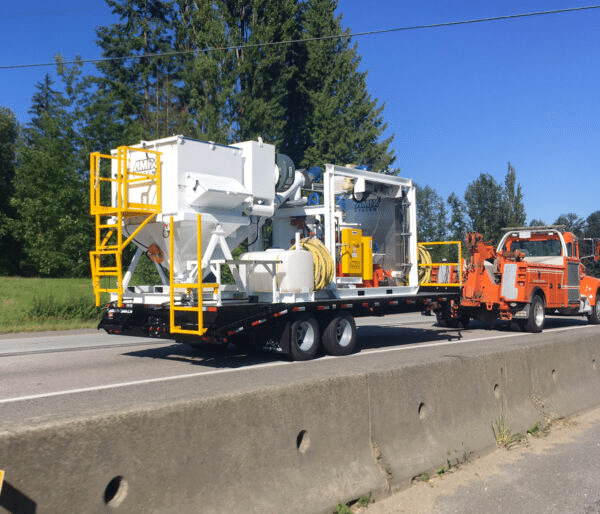
Cement grouting is a widely used technique in construction and civil engineering to fill voids, strengthen soil, and enhance the stability of structures. For beginners venturing into this field, understanding the equipment involved and the step-by-step process is essential for achieving effective results. Cement grouting involves injecting a cement-based mixture into gaps or porous ground to improve load-bearing capacity or prevent water ingress.
The primary equipment required for cement grouting includes a grout mixer, grout pump, hoses, and injection packers. The grout mixer is designed to blend cement with water uniformly to produce a consistent slurry without lumps. It can be either manual or motorized depending on project scale. Once mixed properly, the slurry is transferred to the grout pump which pressurizes it for injection into predetermined locations beneath or around structures.
Grout pumps come in various types such as piston pumps and peristaltic pumps; piston pumps are more common due to their ability to handle thicker mixtures with higher pressure requirements. The hoses connected between the pump and injection points must be durable enough to withstand pressure and flexible enough for easy maneuvering during operation.
Injection packers are crucial components that seal boreholes or cracks through which grout enters soil or concrete cavities. They ensure that the slurry flows directly into target areas rather than leaking back out along the entry point. Packers can be mechanical (expandable sleeves) or inflatable rubber elements depending on application needs.
Before starting the grouting process, it is important first to conduct site assessment including soil analysis and identifying voids needing treatment. Based on these findings, an appropriate mix design should be prepared considering factors like water-cement ratio which affects flowability versus strength of cured material.
The actual procedure begins by drilling holes at strategic locations surrounding foundations or weak zones where stabilization is necessary. After cleaning these holes from debris using compressed air or water flushing techniques, packers are inserted securely into each hole.
Next comes mixing of cement slurry ensuring consistency suitable for pumping without segregation; typically neat cement with low water content may clog lines while too much water reduces effectiveness after curing.
Once ready, start pumping grout slowly increasing pressure gradually until resistance indicates filling completion within void spaces detected by monitoring flow rates and pressures carefully throughout operation helps avoid over-pressurization which might cause fracturing unwantedly altering ground conditions adversely.
After completing injections at all designated points allow sufficient time for curing-usually 24-48 hours depending on ambient temperature-before removing packers if temporary ones were used.
In summary, mastering cement grouting requires familiarity with proper equipment setup including mixers, pumps, hoses,and packers alongside disciplined procedural steps from site evaluation through controlled injection practices emphasizing safety precautions throughout operations ensures successful reinforcement outcomes enhancing structural integrity effectively even for beginners embarking upon this vital construction method.